
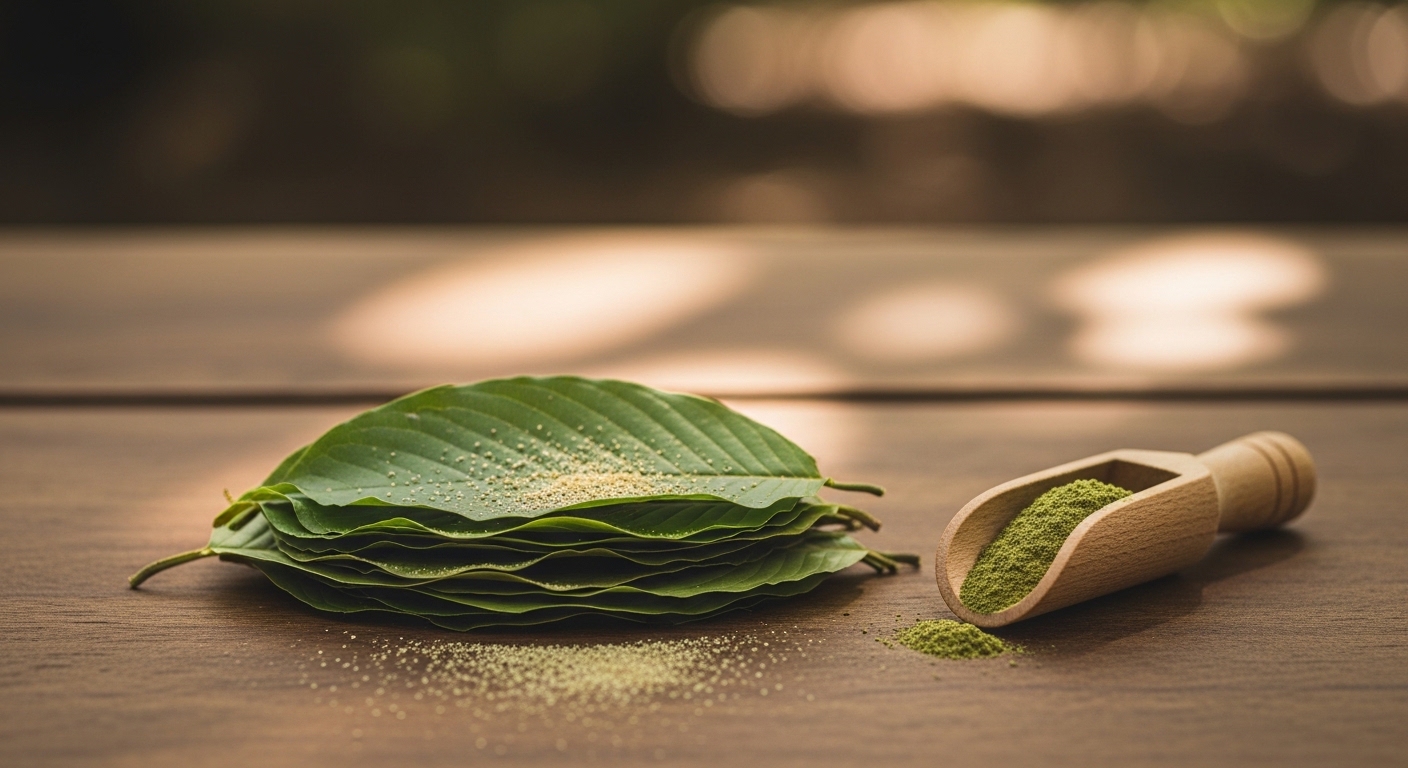
Buying kratom is confusing. The market is flooded with vendors making wild claims, using fancy names, and charging premium prices for products that might not even be what they say they are.
But here’s the good news: once you understand what you’re actually looking for, finding quality kratom becomes surprisingly simple. You just need to know three things: the strain types, what makes a vendor trustworthy, and how to spot the red flags.
Let me show you exactly how to navigate this market without wasting your money.
Why Most People Buy the Wrong Kratom
Look, the kratom industry has a problem.
There’s no standardization. No official grading system. No universal quality control that every vendor follows.
That means anyone can package powder, slap a label on it, and call it “Premium Maeng Da.” You have no way of knowing if what’s inside matches what’s on the package unless you know what to look for.
This is especially frustrating when you’re spending your hard-earned money on something that’s supposed to deliver specific benefits. You want consistency. You want purity. You want to know exactly what you’re getting.
The best kratom vendors understand this. They don’t just sell powder. They sell transparency.
Understanding Kratom Strains: The Three Color System
Before you buy anything, you need to understand the basic classification system.
Kratom is categorized by three vein colors, and each color indicates a different alkaloid profile:
Red Vein Kratom
- Most popular variety in the market
- Known for higher 7-hydroxymitragynine content
- Typically harvested from mature leaves
- Common strains: Red Bali, Red Borneo, Red Maeng Da
Green Vein Kratom
- Middle-of-the-road option
- Balanced alkaloid profile
- Harvested at moderate maturity
- Popular choices: Green Malay, Green Thai, Green Indo
White Vein Kratom
- Harvested from younger leaves
- Different alkaloid concentration
- Less common than red or green
- Notable strains: White Borneo, White Thai, White Sumatra
Here’s what most vendors won’t tell you: the color classification is real, but the specific strain names? Those are often marketing.
“Bali” kratom doesn’t necessarily come from Bali. “Maeng Da” just means “pimp grade” in Thai. These names have become branding tools more than geographic indicators.
What actually matters is the vein color and the vendor’s sourcing practices.
What Separates the Best Kratom Vendors from Everyone Else
Not all kratom sellers are created equal.
The difference between a great vendor and a mediocre one comes down to five critical factors:
1. Third-Party Lab Testing
This is non-negotiable.
The best kratom sellers test every single batch for:
- Heavy metals (lead, mercury, arsenic)
- Microbial contamination (salmonella, E. coli)
- Alkaloid content (mitragynine and 7-hydroxymitragynine levels)
And here’s the key: they make those lab results publicly available. You should be able to see the Certificate of Analysis (COA) for the exact batch you’re buying.
If a vendor doesn’t offer lab testing? Walk away. It’s that simple.
2. Transparent Sourcing
Quality vendors will tell you exactly where their kratom comes from.
Most premium kratom originates from Indonesia, specifically from regions like:
- Borneo (Kalimantan)
- Sumatra
- Bali
- Java
The best suppliers have direct relationships with Indonesian farmers. They’re not buying from middlemen or mystery sources. They can trace their product from tree to package.
3. Proper Packaging and Storage
Kratom degrades when exposed to light, heat, and moisture.
Professional vendors package their products in:
- Sealed, airtight bags
- Opaque or UV-resistant materials
- Clearly labeled with batch numbers and dates
- Proper storage instructions included
If your kratom arrives in a flimsy plastic bag with a handwritten label, that’s a red flag.
4. Customer Service and Education
The kratom market is complex. Good vendors understand that customers need guidance.
Look for companies that:
- Provide detailed strain descriptions
- Offer dosage guidelines
- Answer questions promptly
- Don’t make medical claims (that’s actually illegal)
- Have real customer reviews
5. Pricing That Makes Sense
Here’s a reality check: if kratom is dirt cheap, something’s wrong.
Quality kratom with proper testing, ethical sourcing, and professional packaging costs money to produce. Vendors selling 250g for ten dollars are cutting corners somewhere.
But the opposite is also true. Some companies charge premium prices just because they can. You’re paying for fancy branding, not better quality.
The best kratom vendors price fairly. They’re transparent about why their products cost what they do.
Popular Kratom Types and What to Expect
Let’s break down the most common strains you’ll encounter:
| Strain Name | Vein Color | Origin Region | Characteristics |
|---|---|---|---|
| Maeng Da | Red/Green/White | Thailand | Higher alkaloid content, potent |
| Bali | Primarily Red | Indonesia | Popular, widely available |
| Borneo | Red/Green/White | Borneo Island | Smooth, well-balanced |
| Malay | Primarily Green | Malaysia | Long-lasting effects |
| Thai | Red/Green/White | Thailand | Traditional variety |
| Indo | Red/Green/White | Indonesia | Mild, beginner-friendly |
Remember: the actual effects depend more on the vein color and quality than the specific strain name.
Understanding Kratom Forms: Powder vs. Capsules vs. Extracts
Kratom comes in several forms, and each has advantages:
Kratom Powder
- Most economical option
- Versatile (can be mixed, made into tea, etc.)
- Fastest absorption when taken properly
- Requires measuring and preparation
Kratom Capsules
- Convenient and portable
- Pre-measured doses
- No taste
- More expensive per gram
- Slower absorption
Kratom Extracts
- Highly concentrated
- Small doses needed
- Significantly more expensive
- Higher tolerance risk
- Should be used sparingly
For most people, starting with powder from the best kratom vendors makes the most sense. You get the best value and the most flexibility.
Storage Tips to Maintain Kratom Quality
You found a great vendor. You bought quality kratom. Now don’t ruin it with poor storage.
Follow these rules:
Keep it sealed: Transfer to airtight containers if the original packaging isn’t resealable
Avoid light: Store in a dark place, away from windows and direct sunlight
Control temperature: Room temperature is fine, but avoid heat sources
Minimize moisture: Keep away from humid environments like bathrooms
Label everything: Mark containers with strain name and purchase date
Properly stored kratom can maintain quality for years. Poorly stored kratom degrades in months.
The Legal Landscape: Know Before You Buy
Kratom legality varies by location.
In the United States, kratom is legal federally, but several states and cities have banned it. Before purchasing, verify that kratom is legal in your specific location.
The best kratom vendors won’t ship to areas where kratom is prohibited. If a vendor is willing to ship to a banned location, that’s actually a red flag. It shows they prioritize profit over legal compliance.
Countries outside the US have varying regulations. Some ban kratom entirely, while others allow it freely. Always research your local laws.
Building Your Kratom Knowledge Base
The kratom community is surprisingly helpful.
Join online forums and communities where experienced users share information:
- Reddit’s kratom communities
- Kratom advocacy organization websites
- Vendor-specific forums
- Social media groups
But be critical. Not all information online is accurate. Cross-reference claims, prioritize scientific sources, and remember that personal experiences vary widely.
The best kratom vendors often maintain educational blogs and resources. Use these as starting points for learning.
Conclusion: Making Informed Kratom Purchases
Here’s what it all comes down to:
Buying quality kratom isn’t about finding the fanciest strain name or the cheapest price. It’s about finding trustworthy vendors who prioritize transparency, testing, and customer education.
The best kratom vendors treat this like a real business. They invest in lab testing. They source ethically. They package professionally. They answer your questions honestly.
Your job is to do the research upfront. Check those lab results. Read those reviews. Ask those questions. Start small and build relationships with vendors who earn your trust.
The kratom market can be confusing, but it doesn’t have to be overwhelming. Armed with the right information, you can make confident purchases and avoid the common pitfalls that trap newcomers.
What vendor will you research first?