
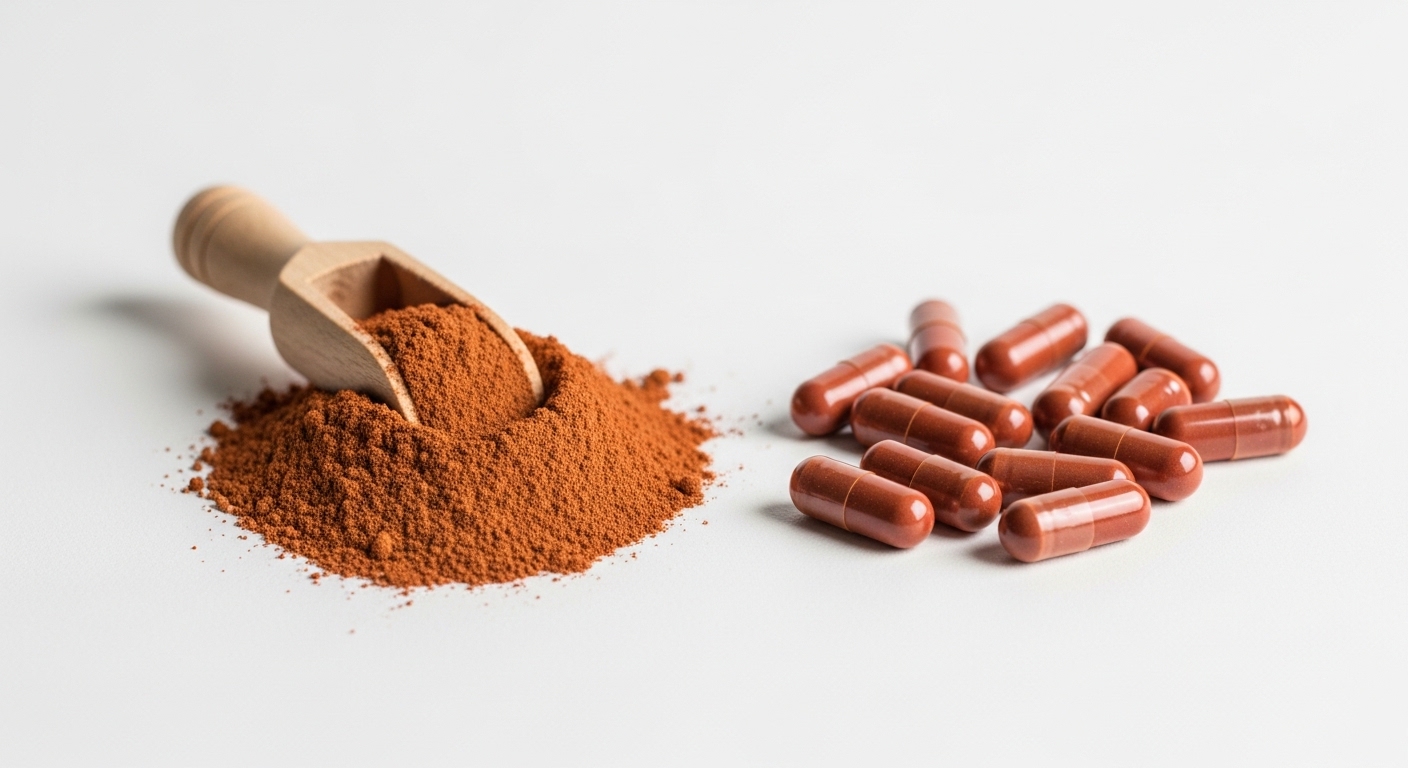
Do you know what thousands of people are discovering about chronic pain management?
It’s not another prescription painkiller. It’s not a miracle cure.
It’s a natural alternative that’s been used for centuries in Southeast Asia, and it’s finally getting the attention it deserves.
Look, chronic pain is exhausting. You’ve probably tried everything: over-the-counter medications, prescription drugs, physical therapy, maybe even surgery. Some days, the pain is manageable. Other days, it feels like it controls your entire life.
Here’s the truth: Red Vein Kratom has become one of the most discussed natural options for pain relief, and the data from user experiences is compelling.
But before you rush out to buy it, you need to understand exactly how it works, what makes it different, and how to use it safely.
That’s what this guide is all about.
What Makes Red Vein Kratom Different From Other Strains
Red Vein Kratom comes from the Mitragyna speciosa tree, native to Southeast Asia. The “red vein” refers to the color of the veins running through the leaves when they’re harvested at full maturity.
Here’s why that matters:
The maturity level directly impacts the alkaloid profile. Red vein varieties contain higher concentrations of 7-hydroxymitragynine, the alkaloid primarily responsible for pain-relieving effects.
Think of it like wine. A grape harvested early tastes different than one harvested late. Same plant, different chemical composition.
Red Vein Kratom differs from white and green strains in three critical ways:
- Sedation level: Red strains produce more calming effects
- Pain relief potency: Higher concentrations of pain-targeting alkaloids
- Duration: Effects typically last 5-7 hours compared to 3-5 hours for white strains
The Science Behind Red Vein Kratom’s Pain-Relieving Properties
Let’s get specific about how this actually works in your body.
Red Vein Kratom contains over 40 alkaloids, but two are particularly important for pain relief:
Mitragynine makes up about 66% of the total alkaloid content. It interacts with opioid receptors in your brain, but here’s the crucial difference: it’s a partial agonist, not a full agonist like traditional opioids.
What does that mean in plain language?
It provides pain relief without the same level of respiratory depression that makes prescription opioids dangerous.
7-hydroxymitragynine is present in smaller quantities (about 2%), but it’s significantly more potent. Research suggests it’s 13 times more powerful than morphine at the mu-opioid receptor.
But wait, there’s more to the story.
Red Vein Kratom also affects:
- Serotonin receptors: Contributing to mood elevation
- Adrenergic receptors: Influencing alertness levels
- Dopamine receptors: Supporting motivation and well-being
This multi-pathway approach is why users report more balanced relief compared to single-mechanism pharmaceuticals.
Primary Pain Relief Benefits Reported By Users
The real-world data from Red Vein Kratom users reveals consistent patterns.
Chronic Pain Management
People using Red Vein Kratom for chronic pain, a strain for pain relief, with fibromyalgia, arthritis, and lower back pain report relief, taking the edge off rather than numbness.
You still feel your body. You just don’t feel dominated by pain.
Post-Workout Recovery
Athletes and fitness enthusiasts use red strains to manage muscle soreness and joint discomfort. The anti-inflammatory properties help reduce recovery time without the grogginess of traditional pain medications.
Migraine and Headache Relief
Many users report that Red Vein Kratom helps reduce both the intensity and frequency of migraines. The relaxation effects may also address tension headaches caused by stress and muscle tightness.
Nerve Pain (Neuropathy)
This is where Red Vein Kratom really shines. People with diabetic neuropathy, sciatica, and post-surgical nerve damage report noticeable improvements in pain levels and sleep quality.
How To Use Red Vein Kratom Safely And Effectively
Here’s where most people make mistakes.
They either take too much, too little, or use it inconsistently. Then they wonder why it doesn’t work.
Starting Dosage Guidelines
If you’re new to Red Vein Kratom, start low. Seriously.
- Beginner dose: 1-2 grams
- Moderate dose: 2-4 grams
- Strong dose: 4-6 grams
- Very strong dose: 6-8 grams
Wait at least 45 minutes before taking more. The effects aren’t instant, and doubling up too quickly leads to nausea and dizziness.
Consumption Methods
You have several options, and each has advantages:
| Method | Onset Time | Duration | Best For |
|---|---|---|---|
| Toss and Wash | 15-30 min | 5-7 hours | Experienced users |
| Capsules | 30-45 min | 5-7 hours | Convenience, taste avoidance |
| Tea | 20-40 min | 4-6 hours | Gentler on stomach |
| Mixed in food | 45-60 min | 5-7 hours | Masking bitter taste |
Timing Matters
Take Red Vein Kratom on an empty stomach for faster, stronger effects. If you experience nausea, try taking it with a small snack.
For chronic pain management, many users find success with:
- Morning dose: 2-3 grams
- Afternoon dose: 2-3 grams
- Evening dose: 3-4 grams (if needed)
Rotation Strategy
Your body builds tolerance quickly. Here’s the fix:
Rotate between different red vein strains (Red Bali, Red Maeng Da, Red Borneo). Each has a slightly different alkaloid profile, which helps prevent tolerance buildup.
Take 1-2 days off each week. This reset period keeps your receptors sensitive.
Popular Red Vein Kratom Strains For Pain Relief
Not all red strains are created equal.
Red Bali
The most popular strain for pain relief. It’s affordable, widely available, and produces strong analgesic effects with moderate sedation. Perfect for beginners.
Red Maeng Da
More energizing than other red strains while still providing excellent pain relief. Ideal if you need to remain functional during the day.
Red Borneo
Known for longer-lasting effects and deep relaxation. Best for evening use or severe pain episodes.
Red Thai
Balanced between pain relief and mood enhancement. Users report less sedation compared to Red Bali.
Potential Side Effects And Safety Considerations
Let’s be honest about the downsides.
Red Vein Kratom isn’t risk-free. Common side effects include:
- Nausea (especially at higher doses)
- Constipation (drink more water)
- Dizziness or lightheadedness
- Drowsiness
- Dry mouth
More serious concerns:
Dependency risk is real. Daily use can lead to physical dependence within weeks. Withdrawal symptoms include irritability, muscle aches, and insomnia.
Drug interactions matter. Red Vein Kratom can interact with:
- Blood thinners
- Antidepressants
- Benzodiazepines
- Other opioids
Never combine Red Vein Kratom with alcohol or sedatives. The respiratory depression risk increases significantly.
Quality control issues plague the industry. Contaminated products have been found containing heavy metals, salmonella, and synthetic adulterants.
Only purchase from vendors who provide:
- Third-party lab testing results
- Clear sourcing information
- Proper labeling with alkaloid percentages
Legal Status And Accessibility
Here’s the complicated part.
Red Vein Kratom’s legal status varies dramatically by location. In the United States, it’s legal federally but banned in several states including Alabama, Arkansas, Indiana, Rhode Island, Vermont, and Wisconsin.
Many counties and cities have additional restrictions.
Internationally, countries like Thailand (ironically, where it originates) recently legalized it after decades of prohibition. Australia, Malaysia, and several European nations maintain strict bans.
Always verify your local regulations before purchasing or using Red Vein Kratom.
Conclusion
Red Vein Kratom offers a compelling natural alternative for pain management, but it’s not a magic solution.
The pain-relieving benefits are real and well-documented through user experiences and preliminary research. The alkaloid profile provides multi-pathway relief that many find superior to single-mechanism pharmaceuticals.
But you need to approach it intelligently.
Start with low doses. Rotate strains to prevent tolerance. Source from reputable vendors with lab testing. Monitor your usage to avoid dependency.
Most importantly, don’t use Red Vein Kratom as a substitute for professional medical advice. It’s a tool, not a cure.
Is Red Vein Kratom the right choice for your pain management needs? That depends on your specific situation, health status, and willingness to use it responsibly.
What pain management challenges are you currently facing that conventional treatments haven’t solved?